


Matcha and Sustainability: From Farm to Cup
Sustainability is becoming a central theme in the food and beverage industry. Consumers want to know where their drinks come from and how they impact the environment. Matcha, when responsibly sourced, aligns perfectly with these values.
Shade-Grown Cultivation

Matcha is unique because it’s grown under shade for several weeks before harvest. This not only enhances chlorophyll and amino acid content but also supports sustainable farming practices by encouraging biodiversity and soil health (Chaturvedula & Prakash, 2011).
Minimal Processing, Maximum Impact
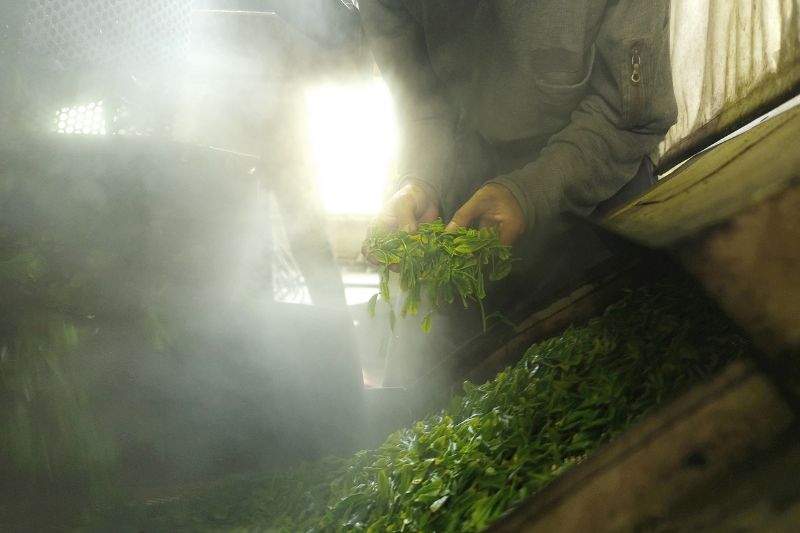
Unlike heavily processed beverages, matcha is simply steamed, dried, de-veined, and stone-ground. Its low processing footprint means fewer industrial inputs and less energy use compared to many other functional beverages (FAO, 2019).
Waste Reduction: Whole-Leaf Consumption

Because matcha is consumed as a whole-leaf powder, there is no leftover waste like spent tea leaves or coffee grounds. This reduces product loss and maximizes nutritional output per gram of harvest.
Packaging and Transparency

Sustainability doesn’t stop at farming. Eco-conscious brands are adopting recyclable packaging, smaller batch processing, and transparent sourcing. Surveys show that over 70% of Southeast Asian consumers now prefer brands that demonstrate environmental responsibility (NielsenIQ, 2022).
Cultural Sustainability

Beyond the environment, sustainability also means preserving traditions. Matcha farming, hand-picking, and stone-grinding are centuries-old practices. Supporting matcha means sustaining cultural heritage alongside ecological health.
From eco-friendly cultivation to zero-waste consumption, matcha is naturally aligned with sustainability. For consumers and cafés alike, choosing premium matcha means supporting not just personal wellness but also the planet.
At Forest Cloud, we work with responsible producers to ensure our matcha is both high-quality and environmentally conscious — from farm to cup.
Shop Sustainable Matcha with Forest Cloud →
References
-
Chaturvedula, V. S., & Prakash, I. (2011). The aroma, taste, color and bioactive constituents of tea. Journal of Medicinal Plants Research, 5(11), 2110–2124.
-
FAO (2019). Food energy – energy use in food systems report. Food and Agriculture Organization of the United Nations.
-
NielsenIQ. (2022). Transparency and Sustainability in Food & Beverage.


